
The Ultimate Guide to High-Touch Surface Areas Deep Cleaning
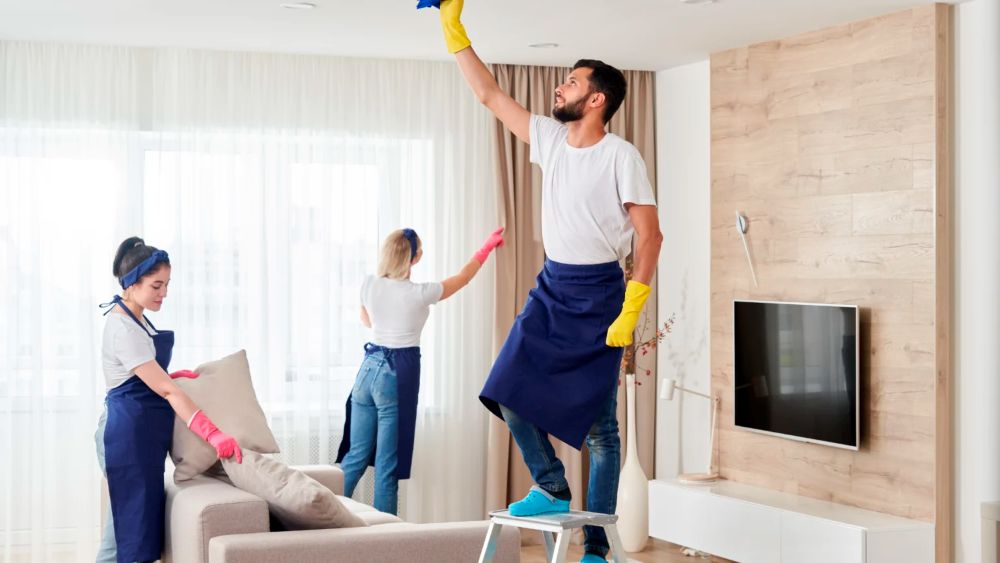
Deep cleaning high-touch surfaces takes the right approach, proper supplies, and a solid plan to actually get rid of germs. A reliable cleaning company knows that doorknobs, light switches, and shared equipment need extra attention because they collect the most pathogens. This guide walks through why high-touch cleaning matters, what supplies you need, and the step-by-step process to do it right. We'll also cover tips for effective disinfection and for keeping things clean day to day. By the end, you'll have a clear picture of how professional deep cleaning keeps spaces safe and sanitary.
Importance of High-Touch Surface Cleaning
Properly cleaning high-touch surfaces reduces the spread of germs and pathogens in shared spaces. Surfaces like doorknobs, light switches, and elevator buttons are constantly touched, making them hotspots for harmful microorganisms. Pathogens can survive on surfaces for hours or even days, so there's always a risk of infection if these areas aren't cleaned regularly. Using disinfectants approved by health authorities and following the label instructions effectively eliminates these germs. Regular cleaning schedules and proper training for cleaning staff help maintain high hygiene standards and protect everyone from potential health hazards.
Essential Cleaning Supplies and Equipment
Getting the right supplies and equipment makes deep cleaning high-touch areas much more effective. Key supplies include EPA-approved disinfectants, microfiber cloths for better surface contact, disposable gloves for protection, and trash bags for waste disposal. Equipment like sprayers or foggers helps apply disinfectants evenly across surfaces. High-quality vacuum cleaners with HEPA filters work great for removing dirt and debris before you start disinfecting. Steam cleaners also come in handy for certain surfaces when you need a deeper level of sanitation. Keep your supplies organized in labeled containers and on accessible shelves so everything's ready when you need it. Check and restock regularly so you're never caught without what you need.
Step-by-Step Deep Cleaning Process
A thorough deep clean of high-touch surfaces requires careful planning and execution to make sure everything gets properly disinfected.
- Assessment and Prioritization: Inspect each surface to determine its level of contamination and rank areas by how often people touch them.
- Preparation and Cleaning: Gather your cleaning supplies and equipment, disinfectants, microfiber cloths, and gloves. Clean surfaces using the right techniques and make sure you cover everything.
- Verification and Documentation: After cleaning, check your work using methods such as ATP (adenosine triphosphate) testing. Write down what you cleaned for your records and future reference.
Following these steps carefully results in a high-quality deep clean of all high-touch areas.
Tips for Effective Disinfection
Proper surface disinfection means following specific guidelines to get the best results. Start by choosing a disinfectant that actually kills the germs you're targeting. Follow the manufacturer's instructions for dilution ratios and contact time this matters more than most people realize. Clean any visibly dirty surfaces before applying disinfectant so it can work properly. Wear disposable gloves and make sure the area has good ventilation while you work. Focus on the spots people touch most often: doorknobs, light switches, countertops, and handrails. Replace cleaning tools regularly to avoid spreading germs from one surface to another. Stick to these practices, and you'll maintain a high level of cleanliness and safety.
Maintaining Cleanliness in Daily Routine
Building cleanliness into your daily routine means creating consistent habits that keep your space hygienic over time. Here are three practices that help:
- Regular Disinfection: Wipe down high-touch surfaces such as doorknobs, light switches, and countertops daily with an EPA-approved disinfectant.
- Proper Hand Hygiene: Wash hands with soap and water for at least 20 seconds, especially after touching shared surfaces or coming back from public areas.
- Organized Cleaning Schedule: Set up a schedule with daily, weekly, and monthly tasks so every area gets attention and nothing falls through the cracks.
Professional Deep Cleaning Services
Professional deep cleaning services play a major role in eliminating hidden pathogens and keeping facilities truly clean. These services use advanced equipment like HEPA vacuums, electrostatic sprayers, and industrial-grade disinfectants to hit every spot effectively. Professional cleaners know the latest techniques for different surfaces, from porous materials like carpets to smooth ones like glass. They follow strict protocols targeting high-touch areas where germs build up most, including doorknobs, light switches, and countertops. These experts also use environmentally friendly products to protect indoor air quality and overall health. Hiring professionals provides a comprehensive sanitation approach that goes beyond what regular cleaning can achieve.
Related Topics:


