
How Do You Effectively Deep Clean a Commercial Kitchen
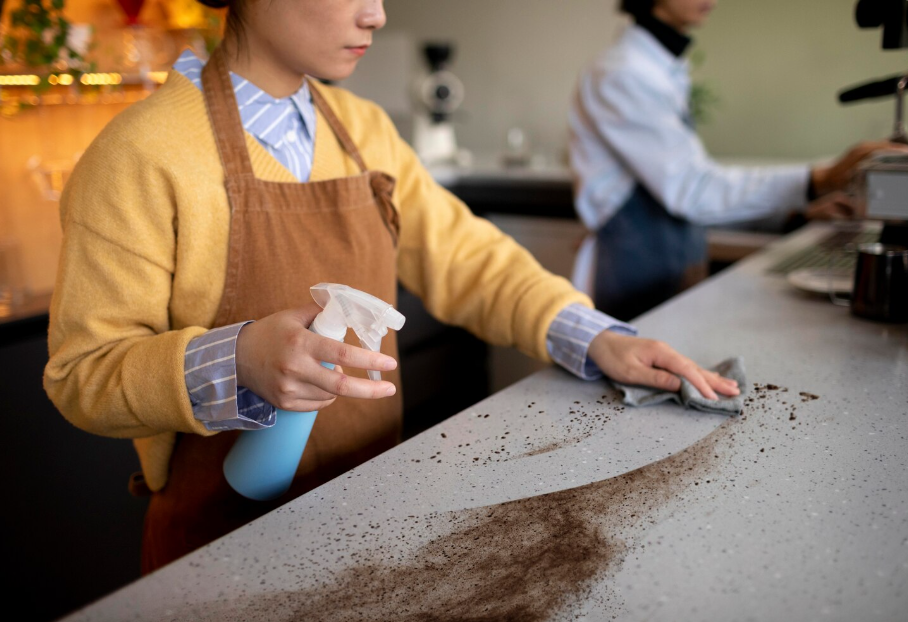
Deep cleaning a commercial kitchen is a lot more than just wiping down counters and floors. There’s planning involved, and some of it can be tedious, but it really makes a difference. Clearing out the clutter, scrubbing appliances, and sanitizing surfaces all take time. A lot of people hire professional cleaning services or a commercial cleaning service because they know where to focus and can handle the spots most of us would miss, like behind ovens or under prep tables. If you’ve never done it yourself, you might be surprised at how much grease and dust hide in plain sight.
Preparing the Kitchen for Deep Cleaning
The first step is getting the kitchen ready. You want to remove anything that’s not part of the cleaning process, things on counters, shelves, and even small appliances that don’t need to be there. Make sure everything is off and unplugged; safety is number one. Grab all your cleaning supplies before you start so you’re not running around in the middle of the job. Gloves are a must, and aprons, too, if you want to stay sane. It helps to think through what areas need the most attention, even roughly in your head, so you don’t forget anything. Preparing properly makes the whole process feel a lot less chaotic.
Degreasing and Cleaning Appliances
Appliances get grimy fast, and sometimes you don’t notice it until you pull them apart. Check all the hidden spots under burners, seams, and corners where grease collects like crazy. A good degreaser works wonders, but you still have to scrub. It’s not fun, but it’s satisfying when it’s finally clean. Rinse with water and dry thoroughly. It’s detail work, and it takes time, but clean appliances are safer, last longer, and work better.
Sanitizing Surfaces and Workstations
Cleaning surfaces is more than just making them look shiny. Hot, soapy water gets the dirt off, but sanitizers are what really get rid of bacteria. Pay attention to cutting boards, handles, and prep areas where hands touch constantly. Following the instructions on the sanitizer is key; you don’t want it too strong or too weak. Doing this regularly keeps the kitchen safe and saves headaches later because nothing builds up too severely.
Cleaning Exhaust Hoods and Vents
Hoods and vents are easy to forget until something goes wrong. Grease builds up fast and can be a fire hazard. You have to check them, clean them, and sometimes even take the pieces apart to scrub them well. Getting a professional in occasionally is worth it because they know how to do it without causing damage. A clean hood and vent system makes the kitchen safer and keeps the air quality better, too.
Disinfecting Floors and Drains
Floors and drains are usually the grossest parts of the kitchen, but they’re also the most important. Sweep and remove any loose debris, then clean with a commercial disinfectant. Corners and high-traffic areas pay attention to them. Drains need extra care. Hot water with some bleach flushes them out and kills bacteria. It might feel like overkill sometimes, but it really prevents bigger problems down the line.
Organizing and Maintaining Cleanliness
Cleaning isn’t a one-time thing; it’s ongoing. Having routines helps a lot. Keep supplies organized with shelves and containers, and make sure everything has its place. Appliances need regular checks and occasional deep cleans. Staff should know what’s expected when it comes to cleaning and hygiene. When everyone takes responsibility, the kitchen stays cleaner with less effort. A little planning and small daily habits go a long way in preventing the bigger, more frustrating cleanups.
Related Topics:
- How to Thoroughly Deep Clean a Neglected House
- Deep Cleaning a Rental Property Before New Tenants Move In


