
Key Hazards to Watch for When Cleaning After Construction
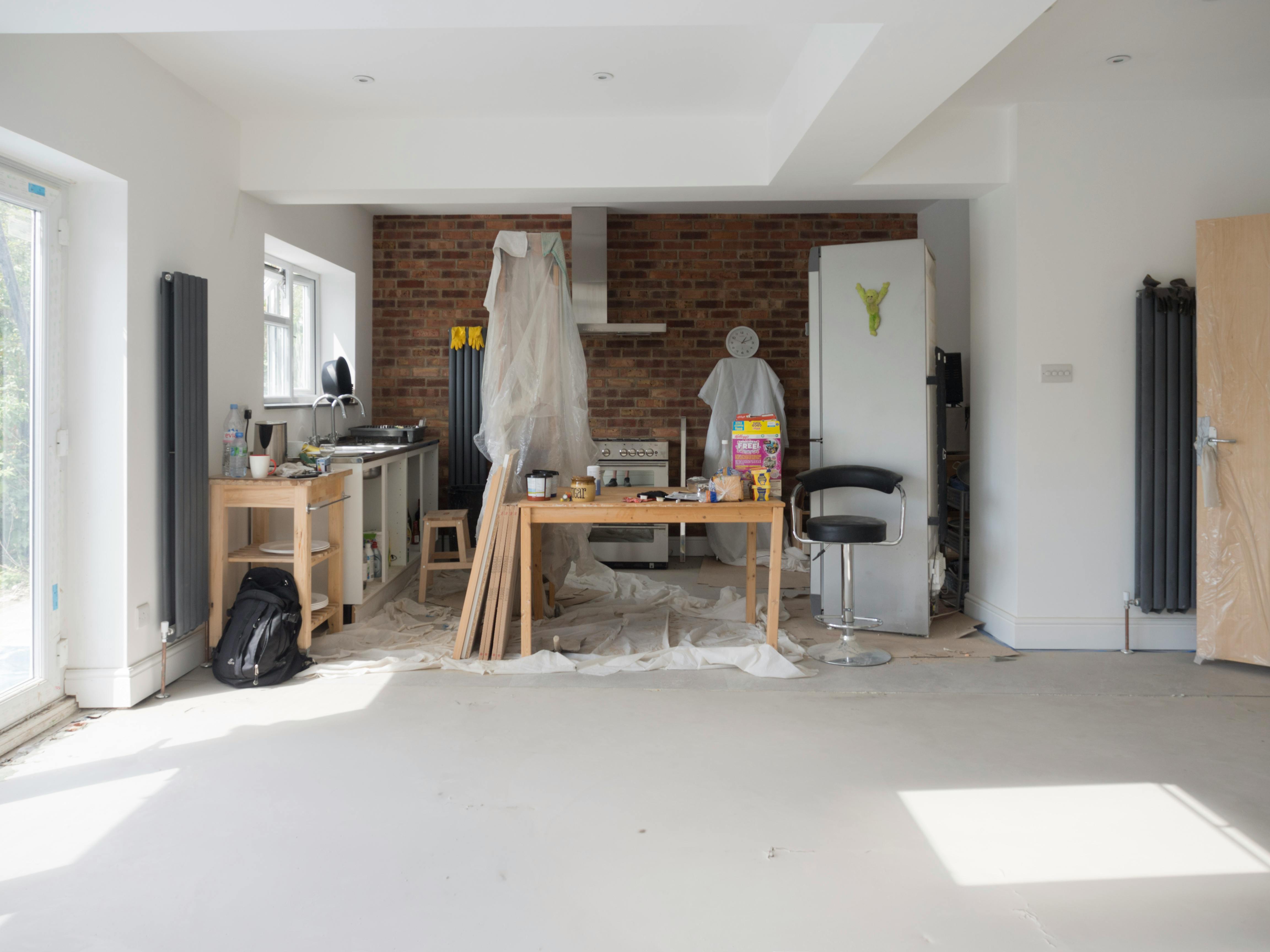
Cleaning after construction is one of those jobs that always feels bigger than it looks. Dust settles in places you didn’t think existed, scraps appear out of nowhere, and the whole space can feel a bit unpredictable. Some people handle it themselves, while others call affordable professional cleaners just to avoid dealing with the hazards that tend to show up after the work is done. Before you grab a broom or a mop, it helps to know what kinds of risks you might run into so you’re not caught off guard halfway through the job.
Sharp Objects and Debris
Sharp pieces left behind are usually the first thing you notice, but they still manage to surprise you. Nails, screws, chunks of broken glass, and splintered wood end up tucked along floors, stuck in corners, or mixed in with dust piles. Stepping on something like that hurts more than you think, so gloves and sturdy shoes aren’t optional here. As you work your way around the space, keep something solid nearby to toss sharp scraps into so they don’t poke through a bag or scatter back onto the floor. Getting these hazards out of the way early makes everything else smoother.
Hazardous Chemicals Exposure
Strong smells and harsh products always seem to show up during post-construction cleaning. Paint, adhesives, solvent leftovers, and heavy cleaners can irritate your skin or lungs if you’re not careful. Even if you’ve used a product before, checking the label helps you avoid little mistakes that come back to bother you later. A pair of gloves, a decent mask, and open windows make the whole process more bearable. Once you’re done, closing containers tightly and storing them in a safe spot keeps fumes from lingering longer than they should.
Unstable Structures Risks
Fresh construction work sometimes leaves behind spots that aren’t as steady as they look. A floorboard might shift when you step on it, or a wall might show a crack that wasn’t there before. If anything feels a bit off, don’t try to force your way around it. Pausing to look things over can save you from a nasty fall or getting caught under something that decides to move at the wrong moment. Protective gear helps, but staying aware of how the space responds as you clean is even more useful.
Electrical Hazards in Cleanup
Electrical problems are easy to miss when you’re focused on dust and debris. Wires that were pulled during construction, outlets that look worn, or damp areas near anything electrical can be a real danger. Turning off the power in a room before you start is the safest move and removes most of the guesswork. A slow walk-through to spot anything that looks unusual gives you a better idea of where to be cautious. Keeping cleaning supplies and water away from those areas lowers the risk even more.
Slippery Surfaces Dangers
Once dust mixes with water, it creates a slick layer that feels almost greasy under your feet. Even freshly cleaned floors stay slippery for a bit, especially if the air inside the room is humid. Shoes with a good grip help a lot, and drying the floor as you go prevents surprises. It’s easy to assume the surface is dry when it isn’t, so taking a second look before walking across an area can save you from slipping.
Respiratory Health Concerns
Dust hangs in the air long after the work is finished, and breathing it in gets uncomfortable fast. Some particles can be rough on your lungs, especially if the construction involved older materials. A well-fitted mask gives you a better chance of staying comfortable while you work. Opening windows or setting up a fan helps move the air around so you’re not breathing in the same cloud all afternoon. Taking breaks somewhere with cleaner air makes the work feel less overwhelming and keeps your lungs happier through the whole process.
Related Topics:


